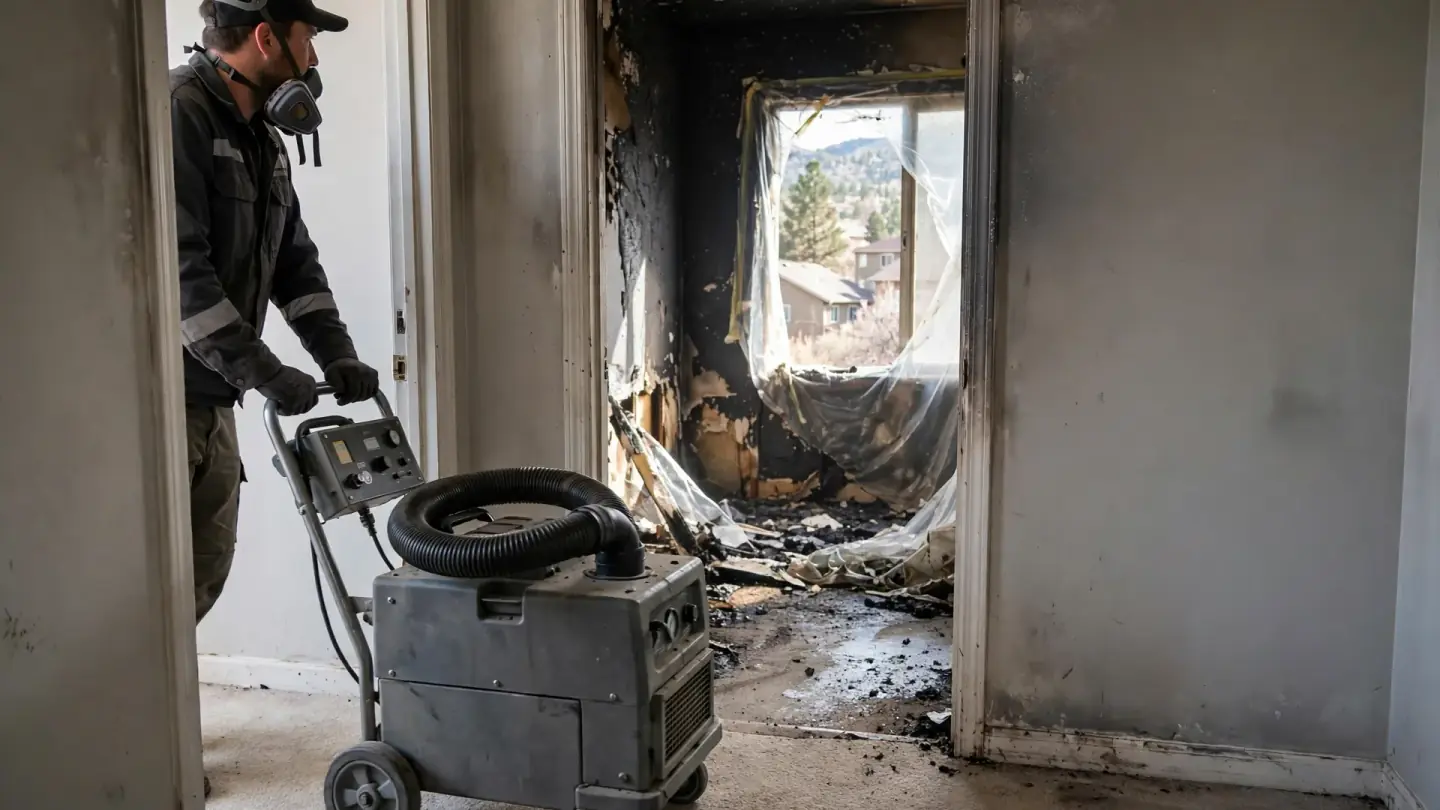
Smoke · Soot · Water · Odor · Colorado Springs
Colorado Springs fire damage restoration,done in the right order
After a fire, the order of work matters as much as the work itself: secure the house, dry it, lift soot without smearing it, then deal with the smell. One call connects you with an independent restoration contractor who serves Colorado Springs and can talk through your situation right away.
Call-in referral service. You speak with an independent contractor on the same call; nothing starts until you agree.
- House fires and wildfire smoke
- Soot and smoke residue
- Water left by firefighting
- Board-up and odor removal
- Fire, smoke and waterHouse fires, wildfire smoke and the water left behind by firefighting.
- Independent contractorsYou speak directly with a local restoration contractor and decide everything yourself.
- Across Colorado SpringsFrom the foothill neighborhoods on the west side to the newer subdivisions in the east.
Key facts: Home
- Fire damage restoration covers securing the house, removing firefighting water, cleaning smoke and soot, removing odor and restoring belongings.
- Colorado Springs saw two of the state's most destructive wildfires: Waldo Canyon in 2012 and Black Forest in 2013.
- Soot is lifted with dry methods first; water or cleaners applied first can smear it permanently into paint.
- The ANSI/IICRC S700 standard sets out how professional fire and smoke damage restoration should be done.
Where to start
What does your home look like after the fire?
Start with what you are seeing or smelling. Each tile opens the page that explains the cause and the right first step.
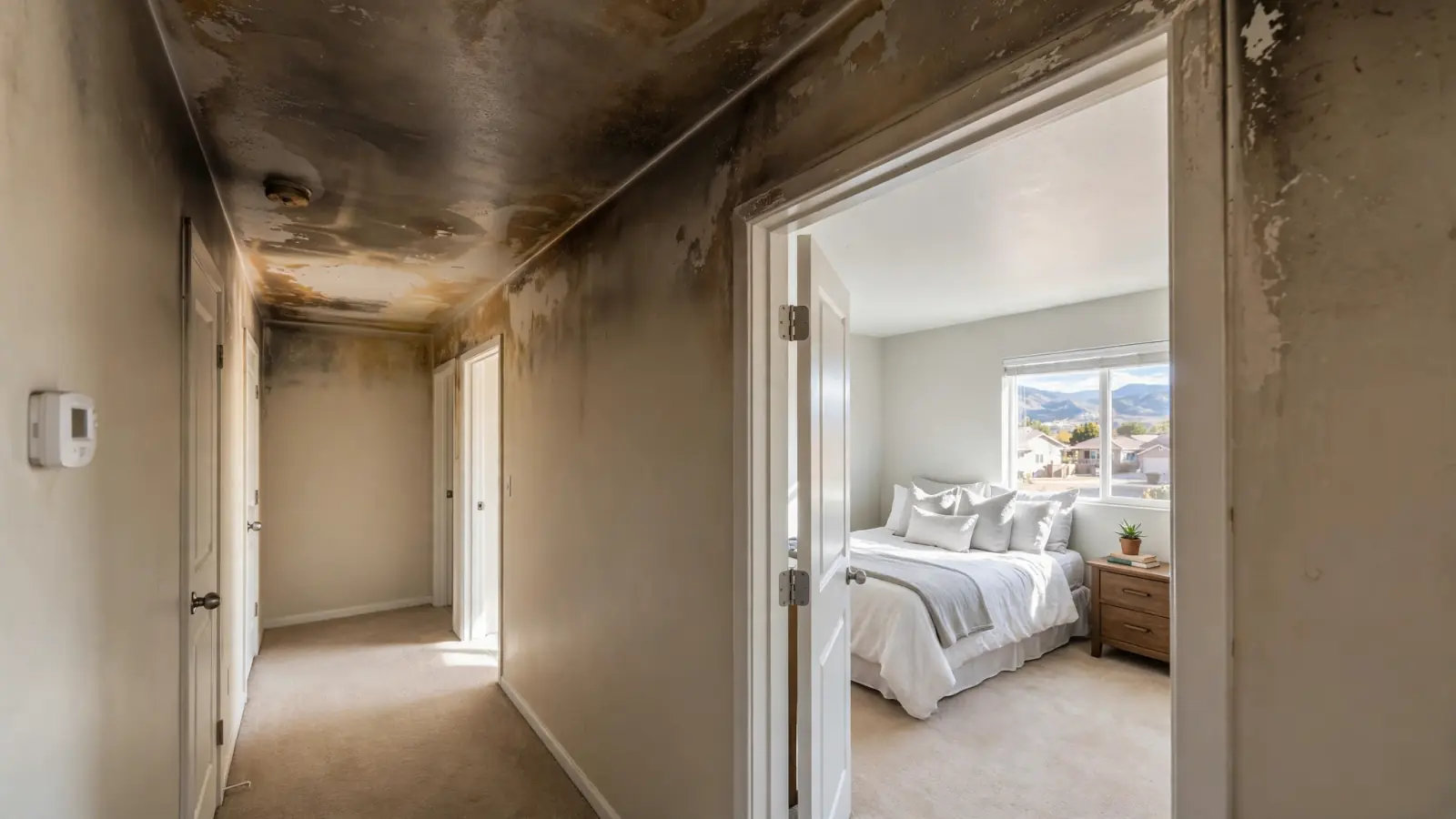
Black soot on walls and ceilings
Dense, dark residue near the fire. Do not wipe it; dry methods come first.
Read moreGray film through the house
Smoke traveled far from the fire and settled on walls, glass and fabrics.
Read moreSmell that keeps coming back
Residue is hiding in ducts, carpet pad, closets or insulation.
Read moreWet floors and sagging ceilings
Water from the fire hoses ran down through the house and needs drying fast.
Read moreBroken windows or roof holes
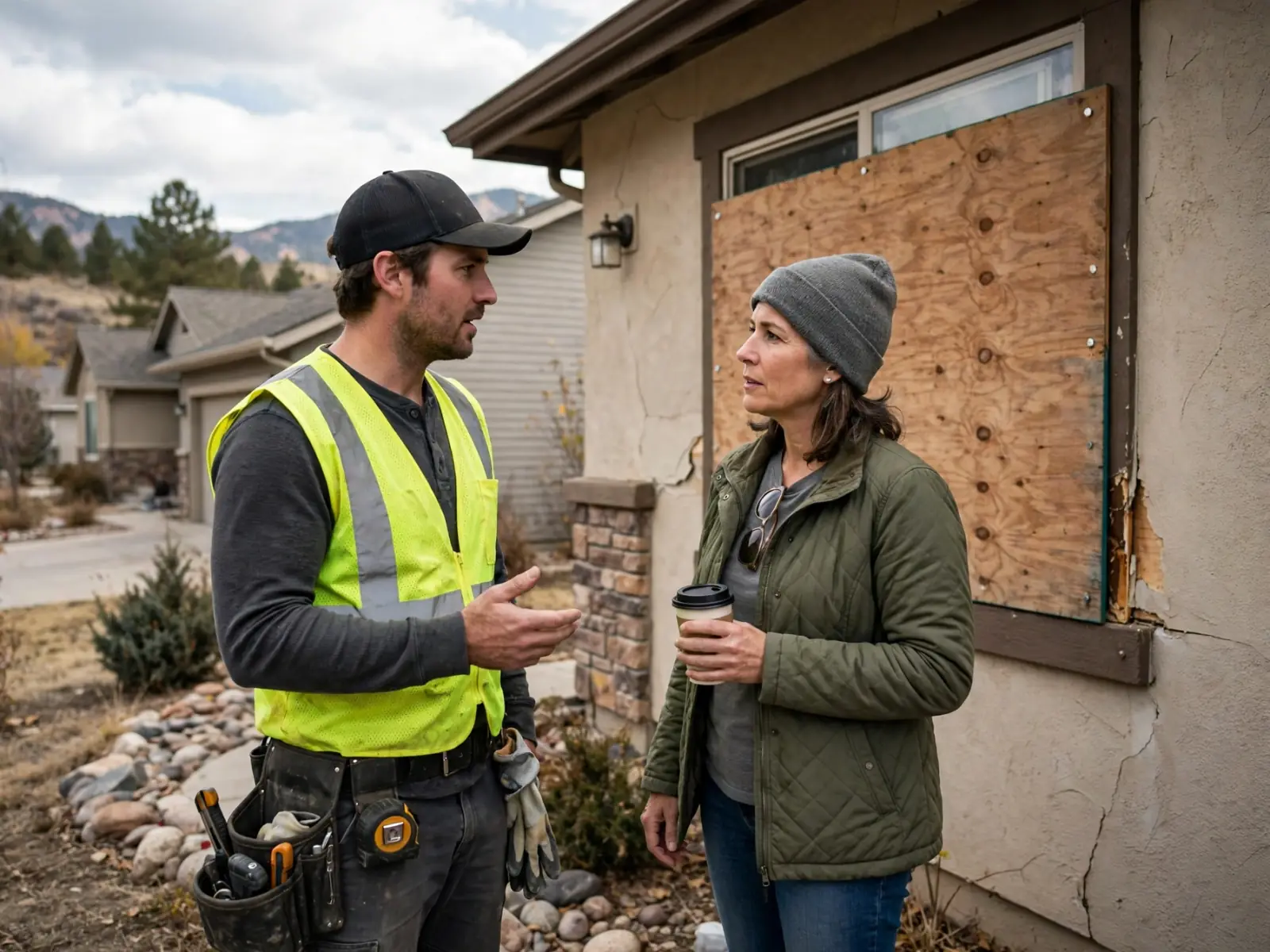
The house is open to weather and trespassers and needs securing.
Read moreAsh after a wildfire
Fine ash and odor came in from outside without any fire in the house.
Read more
Services
Fire restoration services you can be connected with
Each page explains how the work is done, what you can safely do yourself and what to ask a contractor.
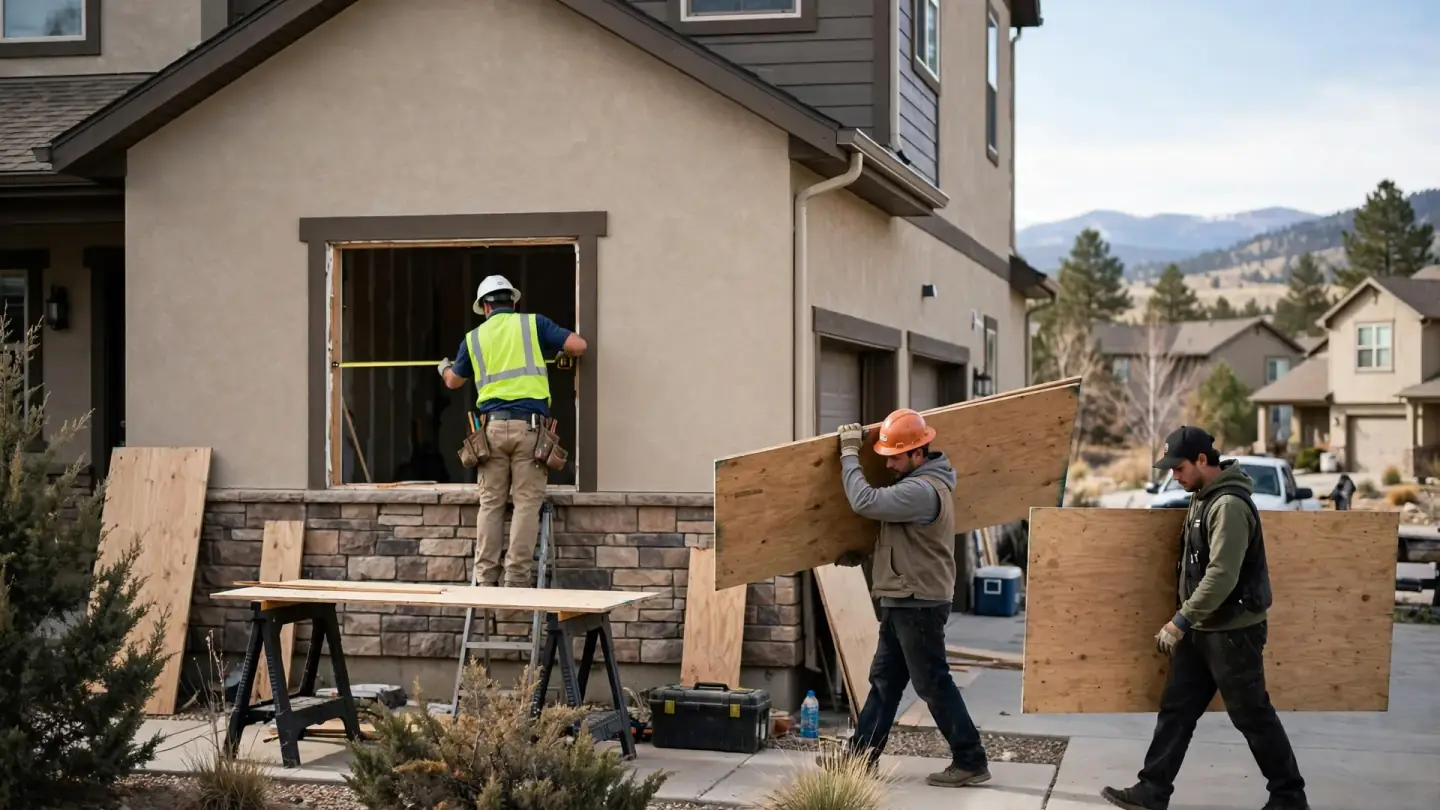
Board-Up and Tarping
Broken windows, forced doors and roof vents leave a burned house open. Securing it protects what is left from weather and intruders.
Explore service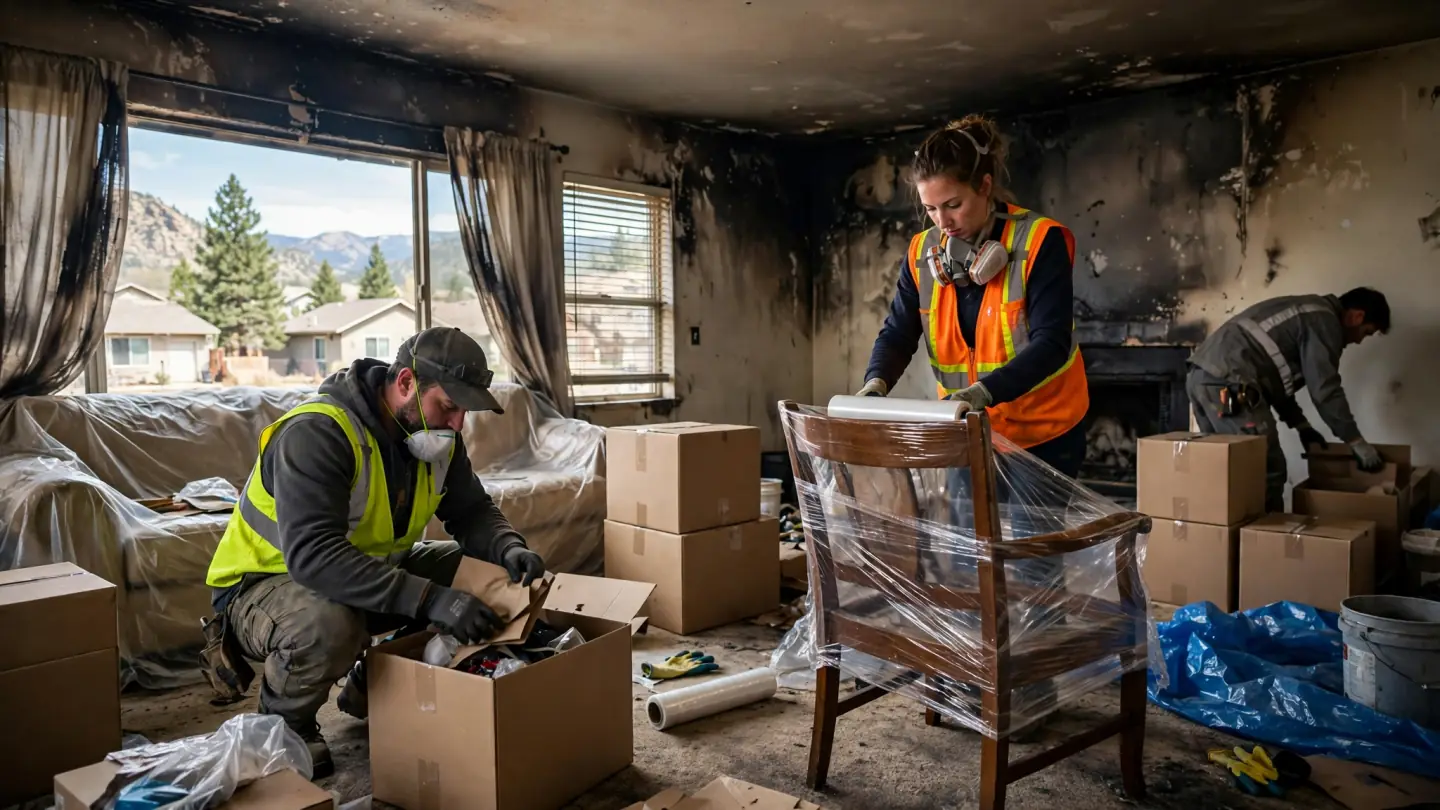
Contents Pack-Out and Cleaning
Furniture, clothing, documents and keepsakes are inventoried, packed, cleaned off-site and stored while the house is restored.
Explore service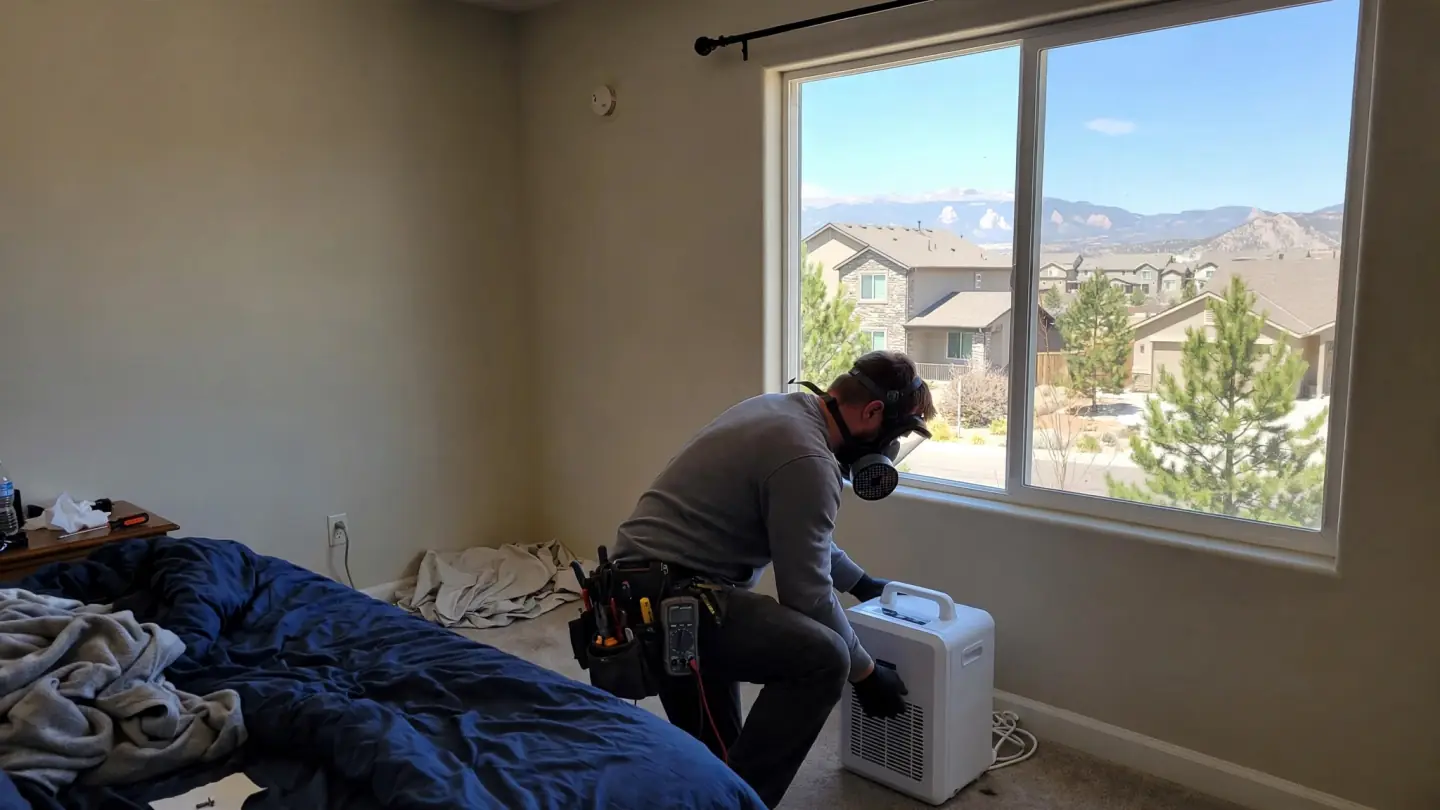
Odor Removal
Smoke smell lives in residue. Removing it means finding where that residue hides, cleaning it out, then treating what is left.
Explore service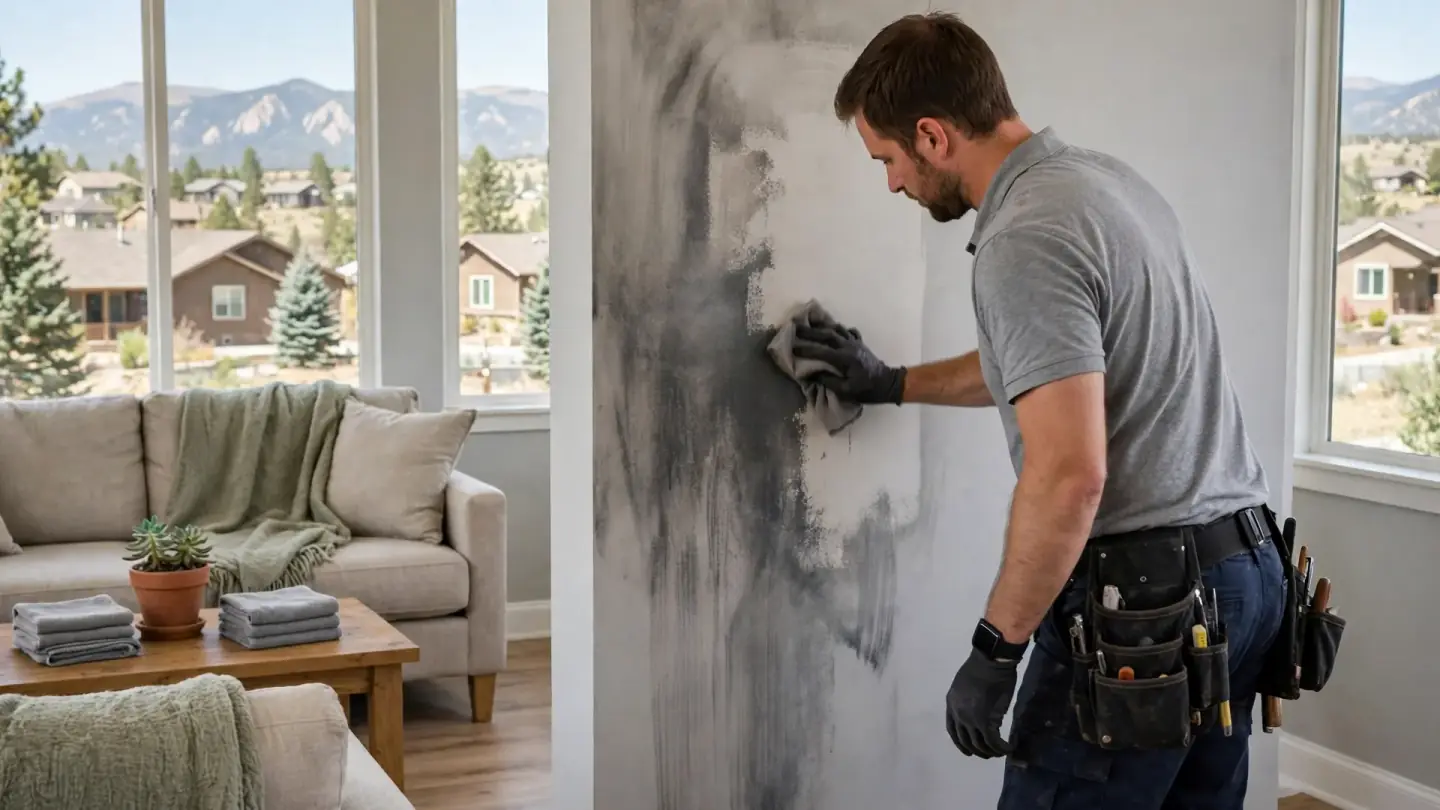
Smoke Damage Cleanup
Smoke travels far past the burned room. Cleanup follows residue into closets, attics, ducts and wall cavities so it does not keep resurfacing.
Explore service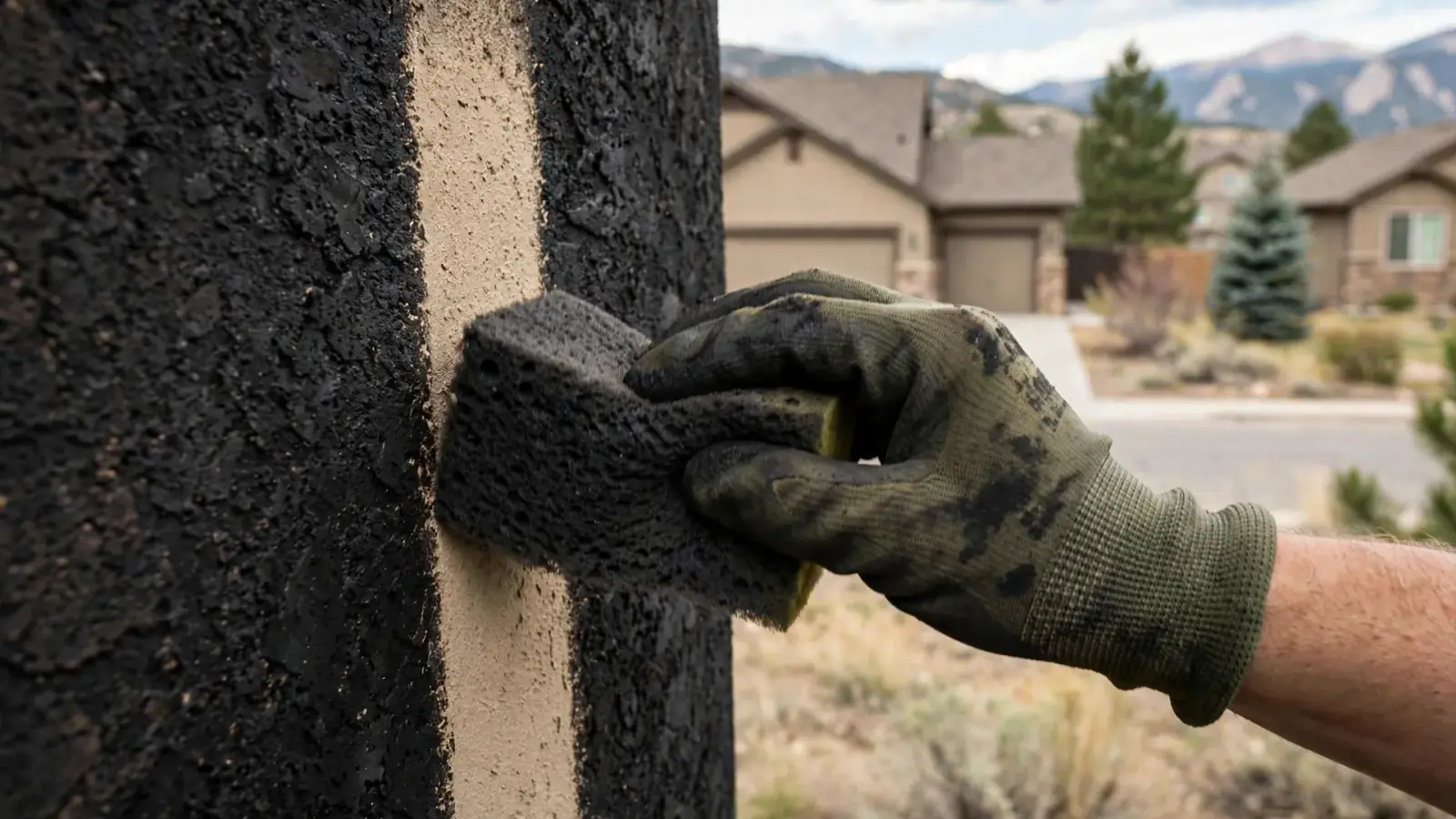
Soot Removal
Black, oily deposits near the fire need the right first touch. Soot is lifted dry, then cleaned, sealed or replaced material by material.
Explore service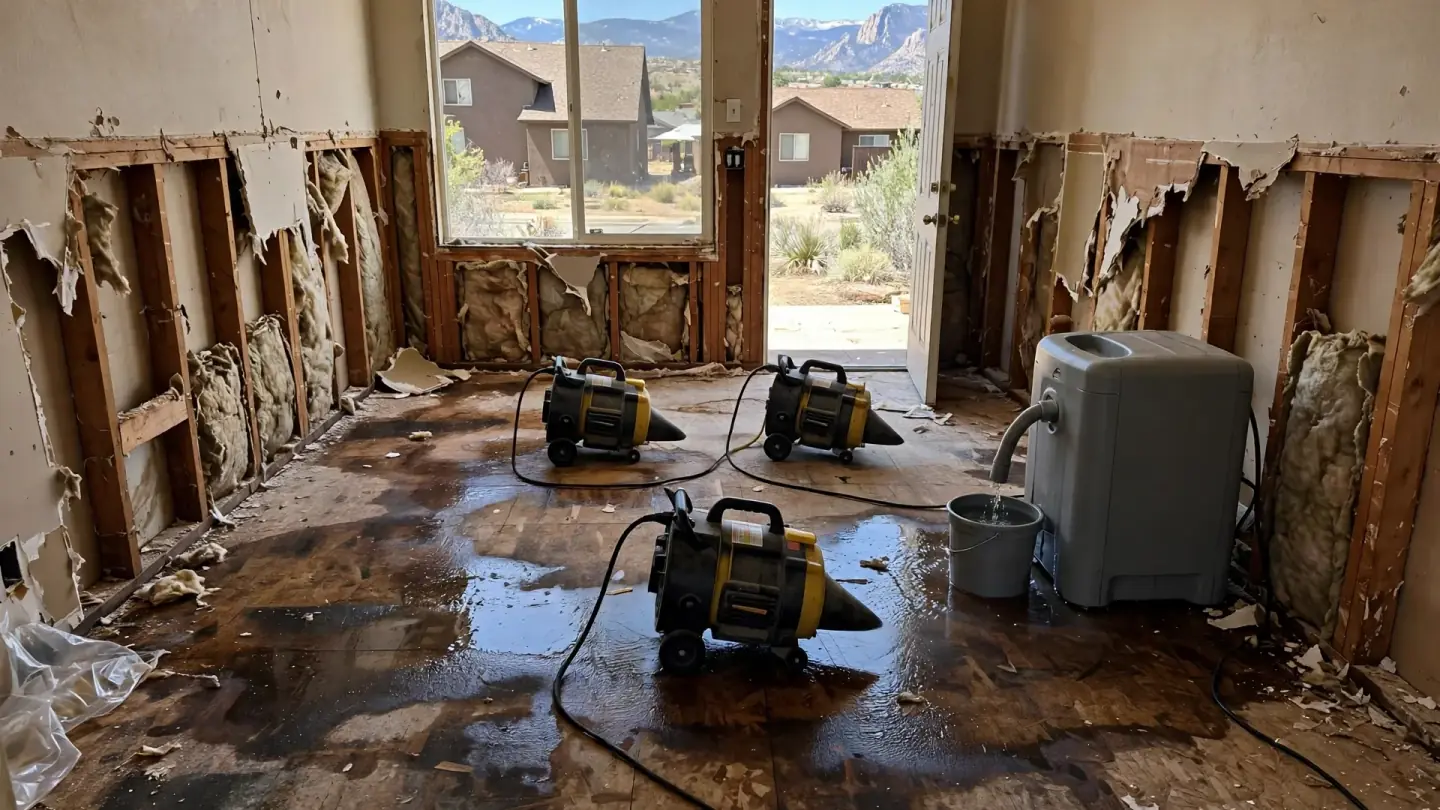
Water Damage From Firefighting
Hoses put out the fire and soak everything below it. Drying fast and opening wet cavities keeps mold and rot from following.
Explore service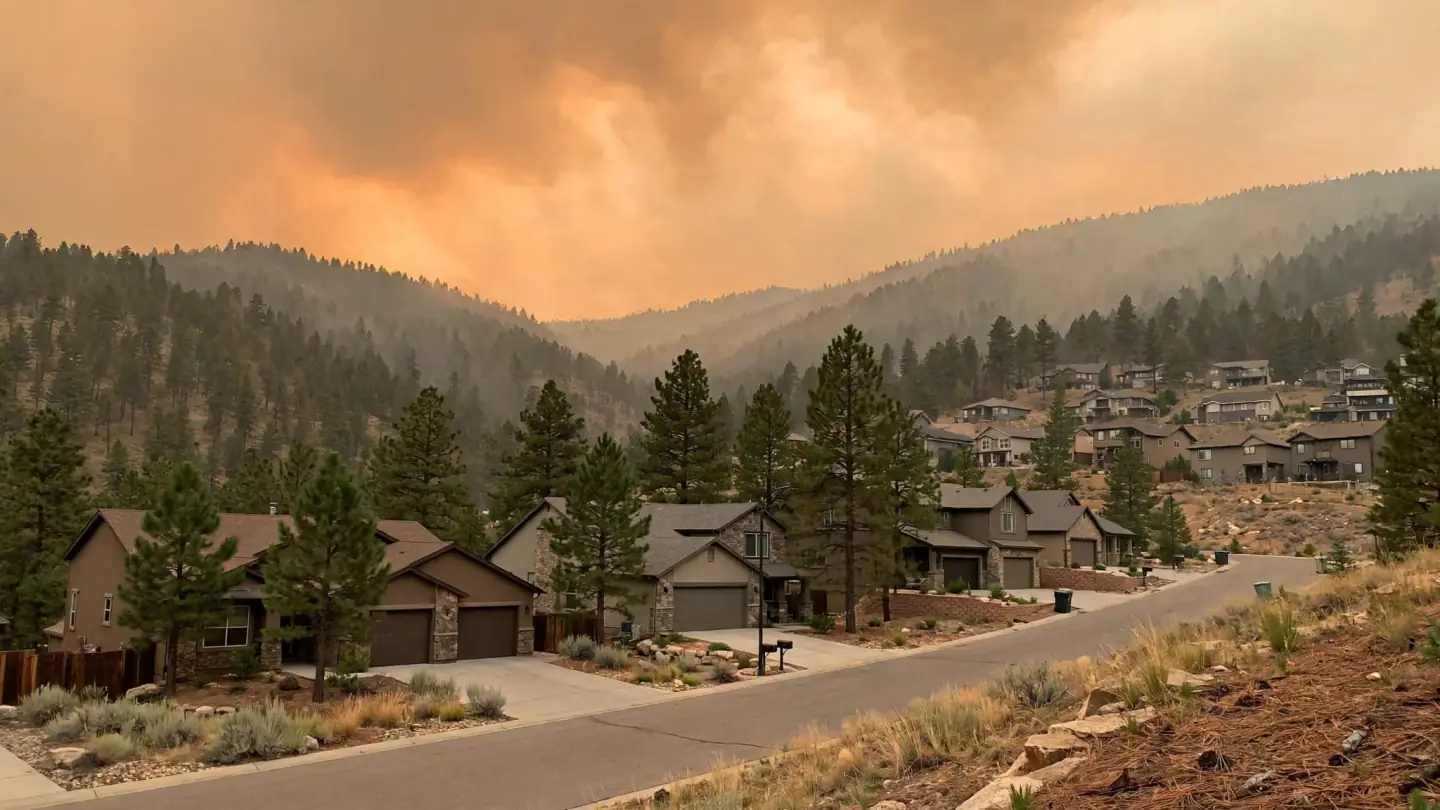
Wildfire Smoke Damage
Homes near a wildfire can fill with fine ash and smell without any flames reaching them. Cleanup targets air, ducts, fabrics and surfaces.
Explore service
Before anything else
Restoration can wait until everyone is safe. These come first.
- Do not go back inside until the fire department says the house is safe.
- If you smell gas, leave without using switches and call the utility from outside.
- Keep children, pets and anyone with breathing or heart problems away from smoke residue and ash.
- Do not wipe soot, run the furnace or turn on fans in sooty rooms.
Why fire damage spreads further than the flames
Most of the damage after a house fire is not char. Hot smoke rises and spreads through hallways, stairwells, ducts and wall cavities, leaving residue in rooms the fire never reached. Firefighting water runs down through floors into the rooms and basement below. Broken windows and roof vents let in weather. A small kitchen fire can leave a film on every wall upstairs; a fire on the second floor can soak a finished basement.
That is why restoration follows a sequence. The house is secured with board-up and tarping, standing water is removed and drying begins, residue is lifted with soot removal and smoke damage cleanup, belongings are cleaned or packed out, and only then is lingering smell treated through odor removal. Skipping ahead, by repainting over residue or spraying fragrance, usually means doing the work twice. The full list of fire restoration services shows each stage in detail.
How it works
One call, then a contractor who does this work
This site is a referral line, not a restoration company. When you call, your call is connected to an independent restoration contractor who works in Colorado Springs, and you speak with them on that same call about what happened and what needs to happen next.
Any visit, assessment or work is arranged directly between you and the contractor. We do not collect your details for later contact, and nobody calls you back unless you arrange it with the contractor on the call.
- Independent local contractors
- Nothing starts without your OK
- Ask about their experience and standards
- Written scope you can share with your insurer
Before and after
What careful soot and smoke cleanup can do
A soot-blackened fireplace wall and the same room after dry soot removal, cleaning and sealing.
 BeforeAfter
Before and after
Restoration jobs, side by side
Common jobs after fires in Colorado Springs homes, each shown from the same angle before and after.
- BeforeAfter
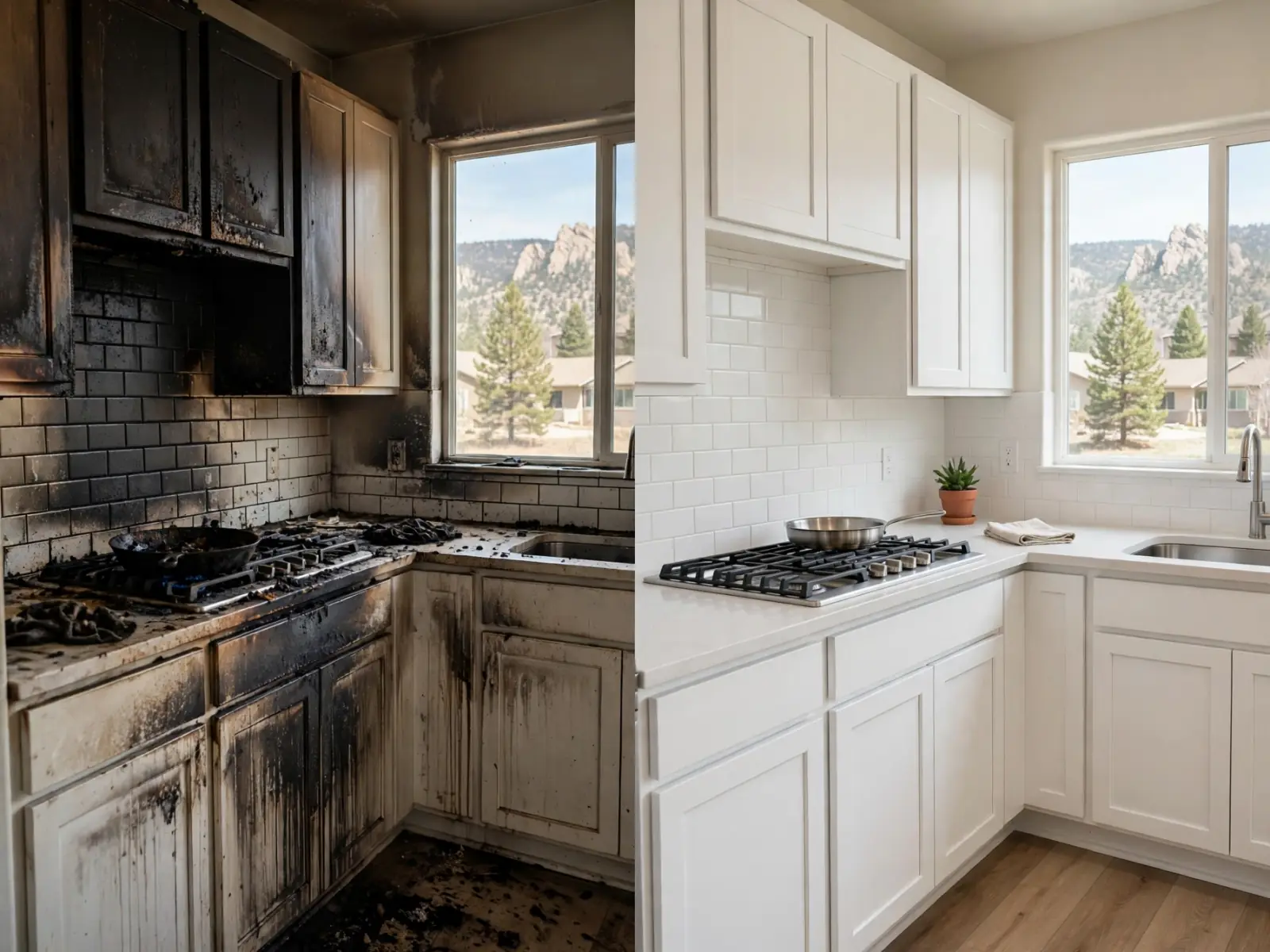
Kitchen after a stovetop fire
Protein residue degreased from cabinets, ceiling and walls, then sealed and painted.
- BeforeAfter
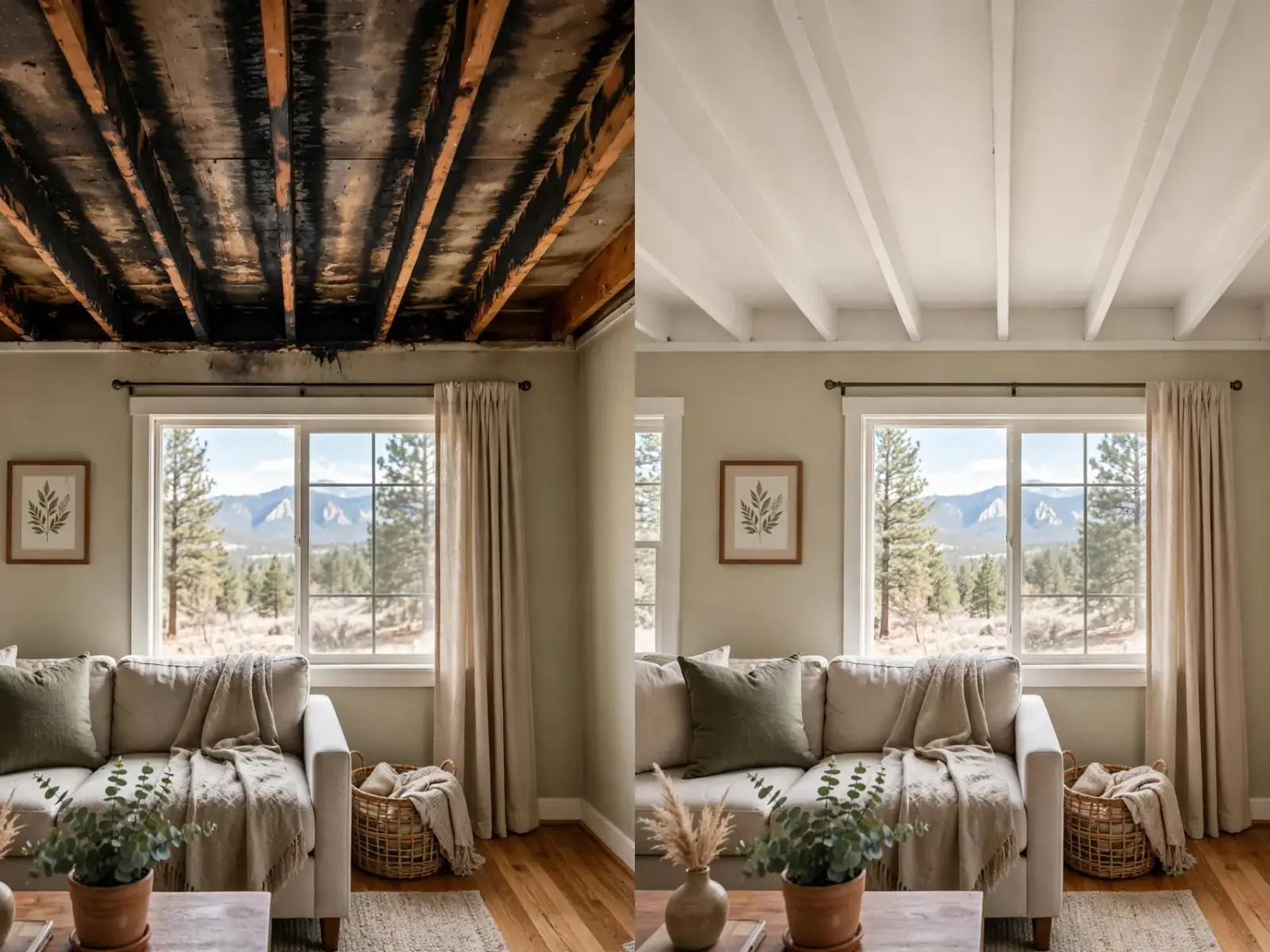
Ceiling soot stripes
Soot along the joists lifted with dry sponges before cleaning and sealing.
- BeforeAfter
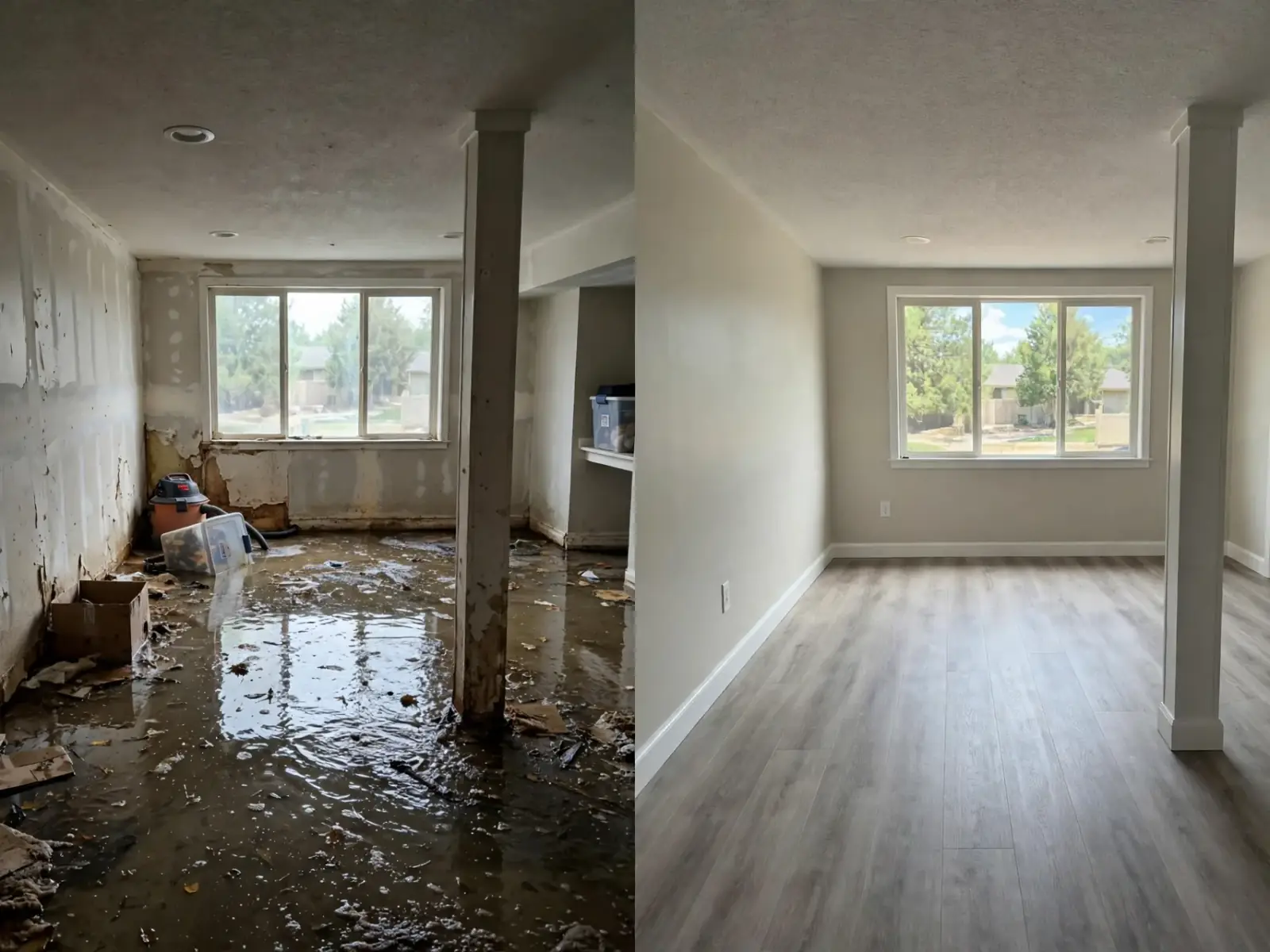
Basement after firefighting water
Wet pad and lower drywall removed, the room dried, then rebuilt.
- BeforeAfter
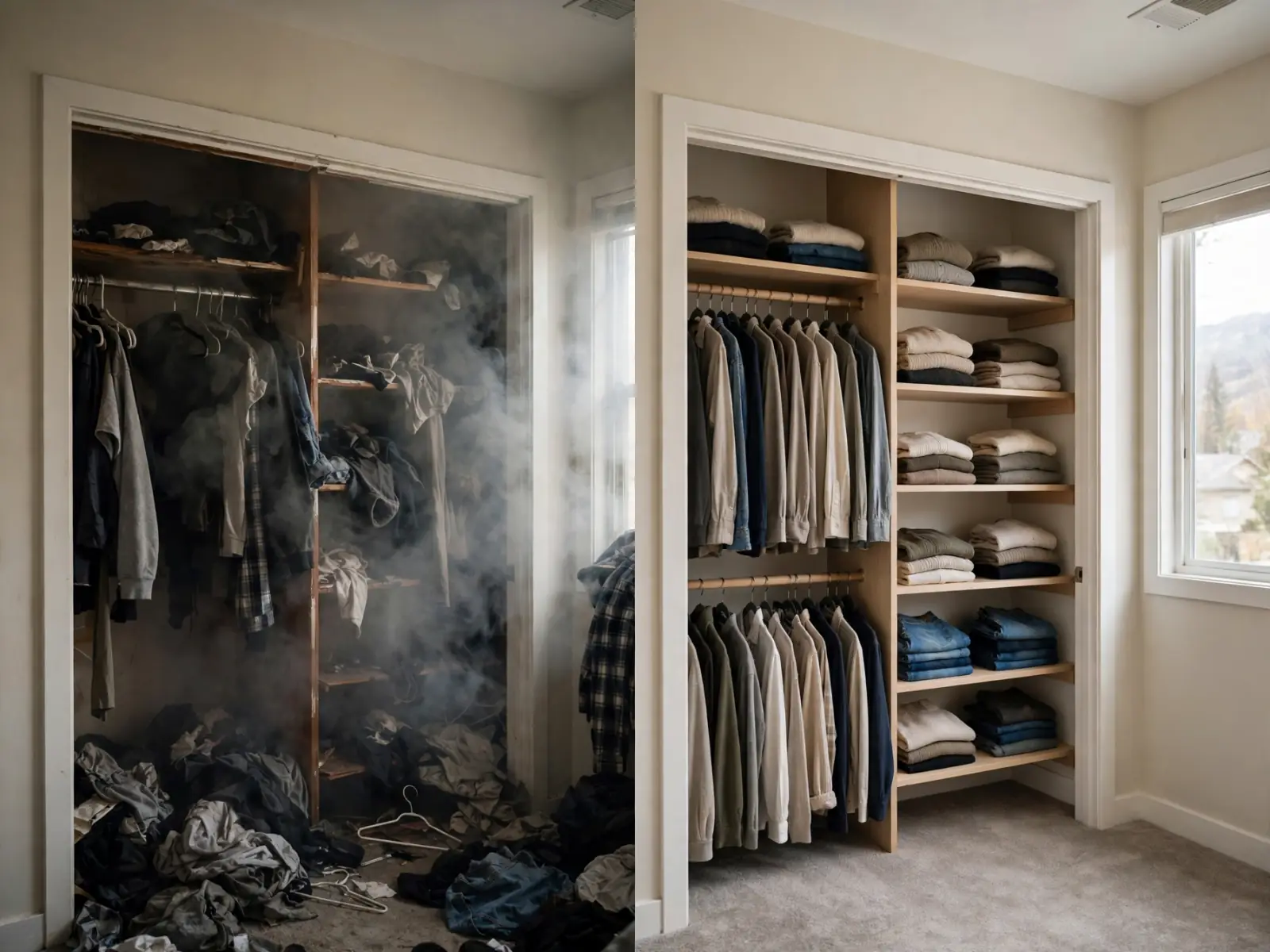
Closet contents
Clothing packed out, cleaned and returned to a cleaned and sealed closet.
Illustrative images. Every job depends on the property and the damage.
The process
How fire damage restoration usually unfolds
- 1
Fire department release
The fire department releases the house; utilities are checked before anything is turned back on.
- 2
Cover the openings
Windows, doors and roof openings are covered against weather and trespass.
- 3
Document the damage
Every room, closet and the exterior is photographed before cleanup, for you and your insurer.
- 4
Remove water and dry
Standing water is extracted, wet materials removed and the structure dried with recorded readings.
- 5
Clean smoke and soot
Residue is removed with dry methods first, then cleaning matched to each surface, with air filtration running.
- 6
Contents and odor
Belongings are cleaned or packed out, ducts cleaned if needed, and remaining odor treated.
- 7
Repair and return
Damaged materials are replaced, permits pulled where required, and belongings returned.
Neighborhoods
Fire restoration across Colorado Springs neighborhoods
Fire risk and housing differ across the city, from foothill wildfire areas to historic districts and newer east-side subdivisions.
 Service area
Black Forest
Ponderosa pine country on large lots north of the city (ZIP 80908), where the 2013 Black Forest Fire destroyed about 500 homes.
Learn more Service area
Broadmoor
Large older homes on the Cheyenne Mountain slopes in ZIP 80906, a high wildfire-exposure area with detailed finishes to restore.
Learn more Service area
Mountain Shadows
Northwest foothill homes rebuilt after the 2012 Waldo Canyon Fire, inside the city's wildland-urban interface (ZIP 80919).
Learn more Service area
Old Colorado City
The 1859 west-side town (ZIP 80904) with brick commercial blocks, small frame houses and older materials that change restoration.
Learn more Service area
Old North End
Large 1890s Victorian houses north of downtown (ZIPs 80903 and 80907) with plaster, tall stairwells, attics and historic finishes.
Learn more Service area
Stetson Hills
Newer east-side subdivisions (ZIP 80923) next to grassland, where a 2022 grass fire forced about 500 homes to evacuate.
Learn more
Local fire history
Major fires that shaped Colorado Springs
| Fire | When | What happened |
|---|---|---|
| Waldo Canyon Fire | June to July 2012 | Burned 18,247 acres west of the city and destroyed 346 homes, mostly in Mountain Shadows; two people died. |
| Black Forest Fire | June 2013 | Burned more than 14,000 acres north of the city and destroyed about 500 homes; two people died. |
| Grass fire in Stetson Hills | May 2022 | Burned about 30 acres inside an east-side neighborhood and forced about 500 homes to evacuate. |
Colorado Springs
Fire damage in Colorado Springs is not one problem
Colorado Springs stretches from the pine-covered foothills of Pikes Peak to the grasslands of the plains, and its homes range from 1890s Victorians to houses built last year. Restoration has to fit the house and the place. In foothill neighborhoods such as Mountain Shadows and Broadmoor, the city's wildland-urban interface rules affect exterior repairs. [5] In Black Forest, wood stoves, wells, propane and outbuildings are part of the picture. In the Old North End and Old Colorado City, plaster, old woodwork and lead paint change how cleaning is done. On the east side, in places like Stetson Hills, grass fires, attached garages and finished basements are the common themes.
Across all of them, the dry Front Range air helps wet materials dry but lets fine soot and ash drift easily, so containment and air filtration matter. And because forced-air furnaces run much of the year at this elevation, the heating system is one of the first places restoration crews check for residue.
Guides
Guides for the days after a fire
Plain-language guides to the decisions homeowners face first.
- Guide
Is it safe to stay after a fire
How to decide whether your family can stay in the house after a fire or smoke event, and who should leave first.
Read the guide  Guide
Smoke odor that won't go away
Why smoke smell keeps coming back after cleaning, where it usually hides, and how to track down the source.
Read the guide Guide
Soot on walls and ceilings
How to read soot patterns on walls and ceilings, what is safe to try yourself, and when to stop and call.
Read the guide Guide
What to do after a house fire
The first hours and days after a fire, in order: safety, shelter, insurance, securing the house and starting cleanup.
Read the guide Guide
Working with your insurance adjuster
How to prepare for the adjuster's visit after a fire, what to document, and how to keep the claim moving.
Read the guide
FAQ
Fire damage restoration questions
What does fire damage restoration include?
Securing the house, removing firefighting water and drying, cleaning smoke and soot, cleaning or packing out belongings, removing odor and repairing damaged materials. Most jobs involve several of these.
How soon should restoration start after a fire?
As soon as the fire department releases the house. Securing openings and drying wet materials are the most time-sensitive steps, because weather and mold can add damage within days.
Can I clean smoke damage myself?
Light, dry residue on a few hard surfaces, sometimes. Heavy soot, residue that smears, smell from the vents and anything in an older home with possible lead paint are better left to a professional.
Does homeowners insurance cover fire damage restoration?
Many policies cover fire, smoke and firefighting water damage, but terms vary. Report the loss promptly, document it before cleanup and confirm coverage with your adjuster.
Does this site do the restoration work?
No. This is a call-in referral service. Your call is connected to an independent contractor, and any work is agreed directly between you and them.
Do you help with wildfire smoke damage?
Yes. Calls about smoke and ash from wildfires are connected with contractors who clean homes after smoke events, including ducts, fabrics and attics.
Talk it through
Talk to a Colorado Springs fire restoration contractor
Call to be connected with an independent restoration contractor who serves your part of Colorado Springs. Describe what happened and what you are seeing, and talk through the next steps on the same call.
Sources and citations
- [1]Wikipedia — Waldo Canyon Fire
- [2]Wikipedia — Black Forest Fire
- [3]KRDO — Grass fire near Stetson Hills Boulevard forces evacuations (2022)
- [4]IICRC — ANSI/IICRC S700 Standard for Fire and Smoke Damage Restoration
- [5]City of Colorado Springs — Wildland-urban interface construction requirements
- [6]U.S. Fire Administration — After a fire
Keep reading